Understanding the Palermo Lane Collective

Modern life is rarely experienced in isolated categories.
The environments people live within influence their routines. Routines shape physical and emotional well-being. Organization affects clarity. Recovery influences performance. Movement changes how spaces are used. Even travel, gathering, recreation, and pet integration influence the emotional rhythm of daily life.
Yet most lifestyle brands approach these areas independently.
One company focuses on wellness. Another focuses on organization. Another focuses on interiors. Another focuses on recreation.
The result is fragmentation.
Products, environments, and routines are often treated as disconnected experiences rather than interconnected systems that shape how daily life actually functions.
Palermo Lane was created in response to that fragmentation.
Rather than functioning as a single narrowly focused brand, Palermo Lane operates as a collective — a connected ecosystem of specialized divisions unified by a shared philosophy: intentional design, material integrity, environmental cohesion, and structured living.
Each division addresses a distinct layer of modern life while reinforcing the same foundational principles:
reduce friction
improve clarity
support long-term function
create steadier environments
encourage intentional routines
Together, these divisions form an architectural framework for refined living.
Structured Living as a Connected System
One of the defining philosophies behind the Palermo Lane collective is the belief that environments are interconnected.
An organized home supports better routines. Restorative environments improve recovery.Intentional kitchens encourage consistency. Well-designed gathering spaces strengthen connection.Integrated travel systems reduce unnecessary stress. Thoughtful recreational infrastructure improves preparedness and mobility.
No environment operates independently.
This is why Palermo Lane approaches lifestyle design holistically rather than categorically.
The goal is not aesthetic perfection.
The goal is alignment across the systems that shape everyday life.
When environments align cohesively, daily routines require less correction, less adjustment, and less cognitive effort. Over time, this creates steadier living.
Northlume Living: Environmental Clarity Through Organization
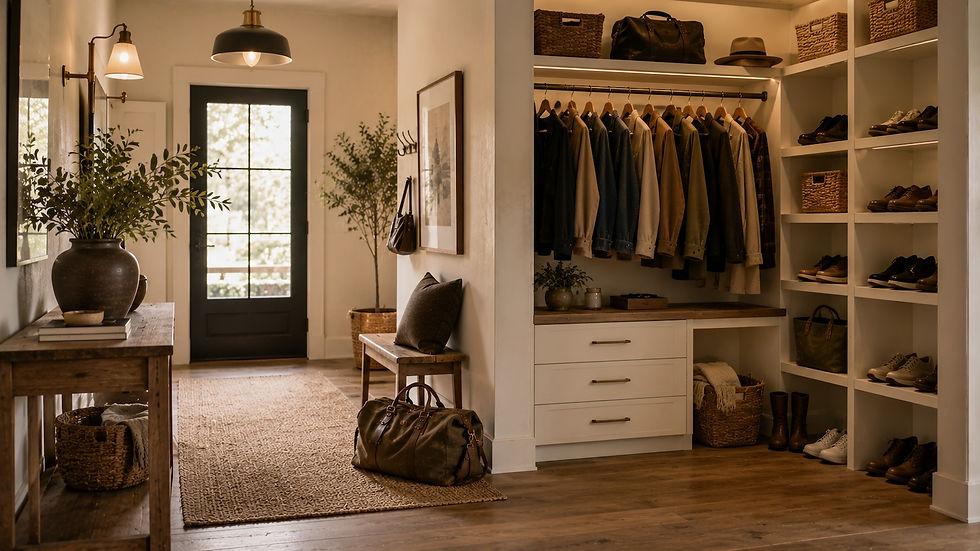
Northlume Living focuses on the structural foundation of the home itself.
Organization is often misunderstood as decorative containment. Northlume approaches it differently. The purpose of organization is not simply visual cleanliness. It is operational clarity.
When environments are intentionally structured:
routines become easier
movement becomes smoother
visual noise decreases
repeated friction is reduced
Northlume explores modular organization systems, cohesive storage infrastructure, kitchen organization, garage systems, wardrobe structure, and environmental zoning designed to support long-term calm rather than temporary tidiness.
The emphasis is always on systems that integrate naturally into daily life.
Cashmere Calm: Restorative Ritual and Sensory Environment
Cashmere Calm focuses on restoration.
Modern wellness culture often emphasizes consumption over consistency. Cashmere Calm instead prioritizes structured ritual — creating environments and systems that encourage repeatable restorative care.
This includes:
layered skincare systems
calming sensory environments
immersive evening routines
spa-oriented recovery spaces
ingredient integrity
environmental softness balanced with structure
Restorative environments influence emotional steadiness more deeply than many people realize. Lighting, texture, scent, organization, and spatial calm all shape how recovery is experienced physically and psychologically.
Cashmere Calm approaches wellness as an environmental system rather than an isolated product category.
Velorian Studio: Disciplined Performance and Recovery
Velorian Studio focuses on performance, mobility, and physical resilience through structured systems rather than trend-driven fitness culture.
Modern fitness spaces are often designed around intensity and visual stimulation. Velorian takes a more refined approach:
intentional training environments
disciplined recovery infrastructure
durable performance systems
mobility integration
long-term physical sustainability
The division recognizes that consistency matters more than novelty.
Well-designed recovery environments encourage routine. Dedicated mobility systems reinforce long-term health. Structured training spaces reduce friction that often interrupts discipline.
Performance is shaped environmentally long before it becomes visible physically.
Greyson Field: Refined Recreation and Prepared Mobility
Greyson Field explores recreation through preparedness, durability, and environmental structure.
Rather than approaching outdoor recreation as chaos or rugged excess, Greyson Field emphasizes:
cohesive transport systems
durable field infrastructure
organized recreational mobility
refined outdoor utility
long-term equipment reliability
Prepared environments reduce friction during movement and exploration. Thoughtful systems create confidence and steadiness even outside the home.
Greyson Field extends structured living beyond interior spaces into the broader experience of movement and recreation.
Ashford Terrace: Architectural Outdoor Living
Ashford Terrace focuses on extending intentional design into exterior environments.
Outdoor spaces are often treated as secondary environments, yet they significantly influence how homes function emotionally and socially. Ashford Terrace explores:
architectural outdoor layouts
layered exterior lighting
durable entertaining infrastructure
fire features
gathering systems
outdoor furnishings designed for longevity
The goal is not seasonal decoration.
It is creating exterior environments that feel as cohesive and intentional as interior spaces.
Well-designed outdoor environments encourage gathering, restoration, and slower rhythms of living that support long-term emotional balance.
Copperpeak Kitchen: Culinary Systems and Daily Function
Copperpeak Kitchen approaches the kitchen as one of the most operationally important environments within the home.
Kitchens shape:
nutrition
routine
hosting
movement
preparation
family rhythm
Yet many kitchens become fragmented through mismatched tools, temporary storage systems, and trend-driven purchases.
Copperpeak Kitchen emphasizes:
workflow efficiency
material integrity
long-term culinary systems
durable cookware
structured preparation environments
intentional kitchen organization
The kitchen functions best when it operates cohesively rather than reactively.
Oakleaf Table: Intentional Gathering and Hospitality
Oakleaf Table focuses on the environments and rituals surrounding gathering.
Modern entertaining often becomes performative and visually excessive. Oakleaf Table instead emphasizes:
warmth
intentional hospitality
layered table environments
functional beauty
refined serving systems
slower gathering rhythms
The division recognizes that gathering spaces influence emotional experience as much as aesthetics do.
Well-designed entertaining environments create comfort without overstimulation.
The goal is not impressiveness.
It is ease.
Mercer Estate: Integrated Pet Living
Mercer Estate approaches pet living as part of the architectural structure of the home rather than a separate disruption layered onto it afterward.
This includes:
furniture-grade pet systems
integrated feeding environments
refined containment
organized grooming infrastructure
durable enrichment systems
When pet systems are intentionally integrated, homes maintain greater cohesion and daily maintenance becomes easier.
Mercer Estate reinforces the idea that structured living should include every dimension of the household environment.
Lynden Essentials: Everyday Utility Without Excess
Lynden Essentials focuses on refined daily utility and intentional organizational systems designed to simplify movement through everyday life.
The division emphasizes:
practical carry systems
refined organization
durable daily-use infrastructure
simplified movement
functional cohesion
utility without visual clutter
Many daily frustrations emerge from poorly integrated systems surrounding routine movement and access. Lynden Essentials focuses on reducing that friction through thoughtful utility and long-term practicality.
Caspian Journey: Structured Travel and Mobility
Caspian Journey extends structured living into travel and movement.
Travel environments often introduce disruption because systems are temporary, inconsistent, and reactive. Caspian Journey explores:
durable travel infrastructure
organized packing systems
mobility efficiency
refined travel organization
layered transport systems
travel calm through preparation
Well-designed travel systems reduce stress before movement even begins.
The goal is not maximizing activity.
It is creating steadier movement through intentional preparation and thoughtful infrastructure.
Why the Collective Structure Matters
Most lifestyle brands specialize narrowly.
The Palermo Lane collective exists because daily life itself is interconnected.
Organization influences recovery. Recovery influences performance. Performance influences recreation. Recreation influences gathering. Gathering influences emotional wellbeing. Travel influences environmental rhythm. Outdoor environments influence restoration. Kitchen systems influence routine consistency.
These layers constantly interact.
By approaching them collectively rather than independently, Palermo Lane creates greater cohesion across the environments people move through daily.
The result is not simply a collection of products or categories.
It is a framework for intentional living.
The Palermo Lane Perspective
At Palermo Lane, structured living is not about rigid perfection or aesthetic minimalism.
It is about reducing unnecessary friction so that environments support life more naturally over time.
Every division within the collective reinforces this same principle: well-designed systems create steadier living.
A calm home is rarely accidental. A cohesive environment is rarely built through impulse alone.
Clarity emerges through thoughtful structure. Function improves through intentional systems. And over time, layered environments built with care begin quietly reshaping the experience of daily life itself.